Gingerbread Man Embroidery Files
A Designer’s First Stitch: Warmth, Charm, and Real-World Gift Potential
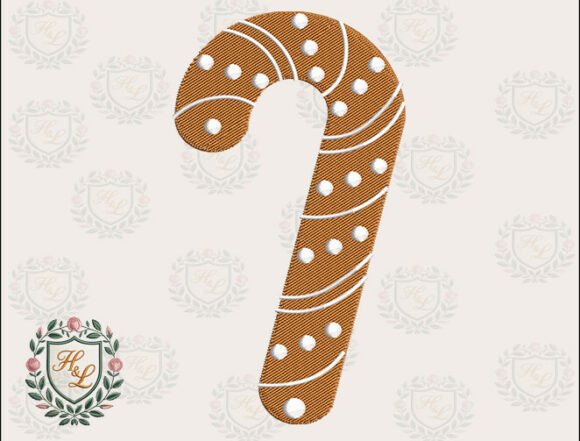
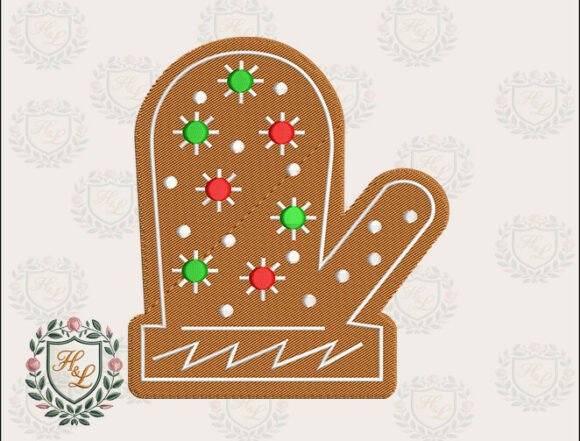
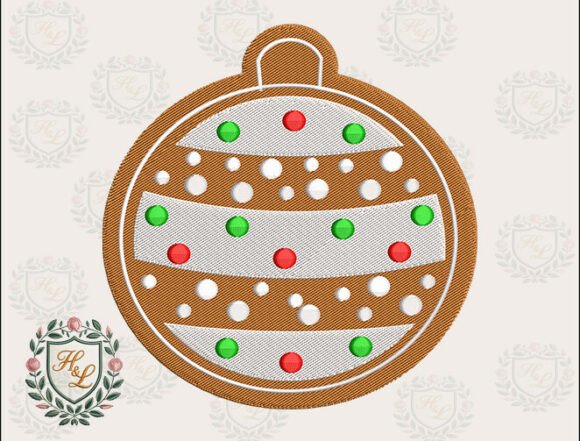
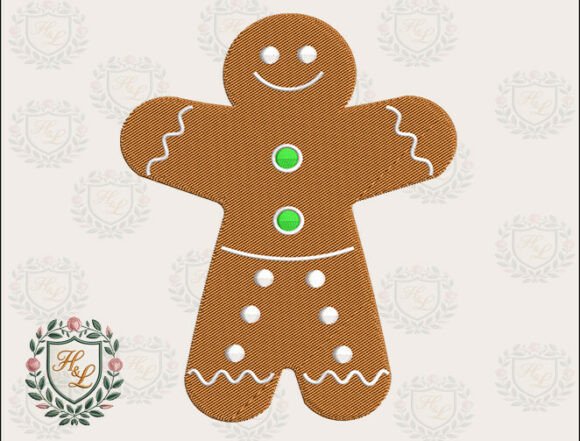
As an embroidery designer who’s developed over 300 machine embroidery designs for small shops and Etsy sellers, I opened the Gingerbread Man Embroidery Files with a specific question in mind: *Will this feel special enough to become a meaningful personalized gift—not just a seasonal decoration?* The answer came quickly. This isn’t a cartoonish clip-art silhouette. It’s a thoughtfully balanced digital embroidery file—sweet but not saccharine, playful yet refined—with soft curves, gentle stitch layering, and subtle texture in the icing details. It reads as handmade at first glance, even before stitching. That emotional resonance matters deeply when you’re curating products for baby showers, holiday markets, or wedding keepsakes.
Where This Design Truly Shines: From Nursery to Newlyweds
The Gingerbread Man Embroidery Files excel where sentiment meets practicality. For baby embroidery, it adds quiet joy to organic cotton blankets and muslin swaddles—especially when paired with soft pastel thread colors and light stabilizer. On linen pillow covers or embroidered towels, it becomes a cozy anchor for nursery decor or kitchen gifting. Wedding gift designers will appreciate how easily it adapts: stitched in ivory thread on ivory linen, it reads as rustic-elegant; add gold metallic accents (with caution—more on that below), and it becomes a charming favor for a winter wedding. As a small shop product, it scales beautifully—from mini versions on tea towels (ideal for craft fairs) to bold iterations on oversized tote bags that catch eyes at local markets.
Etsy sellers can leverage its versatility across listings: use one consistent file to create printable mockups for multiple items (blanket embroidery, apron front, pillow cover center), then photograph each variation against warm, natural backdrops. That consistency builds brand trust—customers recognize your thoughtful curation, not just a generic holiday motif. And because it’s rooted in classic Christmas charm—not trendy novelty—it stays relevant year after year, supporting repeat orders and seasonal collections.
Thoughtful Placement: Where to Use—and Where to Pause
Like any strong embroidery file, the Gingerbread Man Embroidery Files reward intentionality. Avoid placing it on highly textured fabric (like thick terry cloth towels) without extra stabilization—those delicate icing lines can blur. Similarly, skip stretchy baby onesies unless you’re using high-quality cutaway stabilizer and reducing stitch density manually. Curved surfaces—think mugs with fabric sleeves or rounded pillow edges—require careful hooping and possibly slight design repositioning to prevent distortion.
Dark fabric demands attention: test thread color contrast thoroughly. What reads as joyful red on white may vanish on navy unless you switch to cream or metallic silver. And while the design includes lovely small details—buttons, smile lines, piped icing—don’t shrink it beyond 3.5 inches without verifying clarity on your machine. Tiny features can collapse under dense stitching or get lost in fabric nap. Always run a test on scrap fabric first—especially if you’re planning blanket embroidery for sensitive skin or embroidered towel gifts meant for daily use.
Building Trust Through Craftsmanship
Customers don’t just buy a gingerbread man—they buy the feeling of care behind it. When a new parent receives a baby blanket with precisely stitched, evenly tensioned Gingerbread Man Embroidery Files, they sense the time invested. That perception elevates your entire lineup. It tells them your handmade product is reliable, considered, and made for longevity—not just quick assembly. For wedding gift designers, that same precision signals respect for the occasion. A well-executed custom embroidery piece becomes a story object, not disposable decor.
Photography amplifies this. Shoot finished products in natural light, with fabric folds and gentle shadows that highlight stitch texture. Include close-ups showing thread sheen and clean edge finishes—these details reassure buyers browsing your Etsy store or small shop website. And always pair your photos with honest notes: “Stitched with premium polyester thread” or “Tested on 100% cotton twill”—that transparency builds credibility faster than any marketing copy.
Practical Notes Every Maker Should Check Before Stitching
- Test on scrap fabric—especially if pairing with new stabilizer types or unusual thread colors.
- Confirm hoop size compatibility before digitizing adjustments; some versions may require a 5x7" or larger hoop.
- Review stitch density—high density adds richness but increases wear on fine fabrics; reduce slightly for baby embroidery or lightweight linens.
- Match stabilizer to end use: tear-away for stable woven fabrics, cutaway for knits or frequently washed items like towels and aprons.
- Compare light and dark fabric mockups side-by-side to verify visibility and emotional tone.
- Inspect small details post-stitch: buttons, eyes, and icing lines should be crisp—not fuzzy or merged.
- Verify commercial licensing before selling finished products. If unclear, contact the designer directly—never assume.
Final Thought: More Than a Holiday File
The Gingerbread Man Embroidery Files succeed because they honor what makes personalized gift products enduring: warmth, intention, and quiet craftsmanship. They’re not just for Christmas—they’re for the first holiday as new parents, for the couple who bakes together every December, for the grandma who stitches memories into every blanket. Used with care, this embroidery file becomes part of a larger narrative—one where your small shop or Etsy store isn’t selling stitches, but significance. And that’s the kind of value no algorithm can replicate.