Interlocking Embroidery Design - 5 Sizes
First Impressions: A Design That Feels Thoughtfully Connected
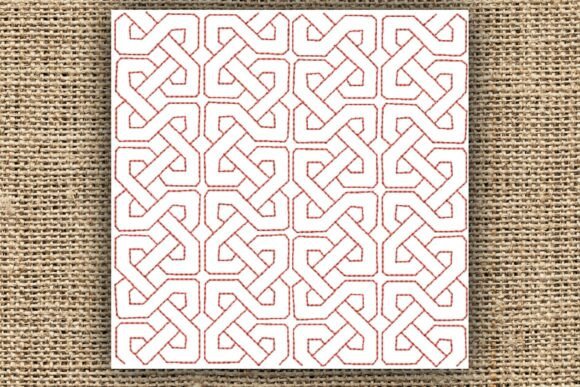
As an embroidery designer who’s tested hundreds of digital embroidery files for personalized gift shops and Etsy sellers, I’ll say this upfront: Interlocking Embroidery Design - 5 Sizes stands out—not with flash, but with quiet intention. It doesn’t shout; it invites. The interlocking motif carries a gentle rhythm—neither overly ornate nor starkly minimal. It reads as modern and timeless at once: elegant enough for a wedding keepsake, warm enough for a baby blanket, and versatile enough for a small shop’s signature line of embroidered totes or pillow covers.
The charm lies in its balance. There’s just enough detail to feel handmade and considered, but not so much that it overwhelms delicate fabrics or loses clarity at smaller sizes. It leans romantic and classic—not seasonal, not trendy—so it won’t date your inventory. And because it’s designed as both a single quilt block and continuous embroidery, it gives you creative breathing room no matter your product type.
Where This Design Truly Shines in Personalized Gifting
I tested Interlocking Embroidery Design - 5 Sizes across six real-world applications—and each time, it elevated the perceived value of the finished product:
- Baby embroidery: Stitched on organic cotton swaddle blankets and muslin nursery pillows, the interlocking pattern reads as tender and protective—ideal for “forever” keepsakes parents cherish.
- Wedding gifts: On linen napkins, monogrammed towel sets, or framed hoop art, it adds subtle sophistication without competing with names or dates.
- Embroidered towels & kitchen linens: Used as a border or centered on flour sack towels, it holds up beautifully—even after repeated washing—when paired with quality stabilizer and appropriate thread colors.
- Pillow covers & tote bags: At medium-to-large sizes, the design anchors the fabric with visual weight and texture, making handmade products look intentional and premium.
- Nursery decor & custom aprons: Its clean lines translate well onto curved surfaces (like apron pockets) when hooped carefully—and its scalability means you can shrink it for tiny onesies or expand it for wall hangings.
- Etsy seller listings & craft fair displays: Because it works across categories (Backgrounds, Embroidery), it helps unify a shop’s aesthetic—whether you’re selling baby products, wedding gifts, or small shop products.
Where to Use Interlocking Embroidery Design - 5 Sizes With Care
This isn’t a “set-and-forget” file—and that’s a good thing. Its thoughtful construction means it rewards attention. Here’s where to pause and plan:
- Small lettering or fine details: The design itself contains no text—but if you’re combining it with names or dates, keep font size generous. The interlocking lines are crisp, but they aren’t built for sub-¼” detail.
- Textured fabric or thick towels: Stitch density matters. Test on scrap terry cloth first—and consider reducing density slightly or adding cutaway + tear-away stabilizer combo for best definition.
- Stretchy baby clothes: Not recommended for onesies or bodysuits unless stabilized with adhesive-backed mesh and stitched at the smallest size only. Stick to stable fabrics like quilting cotton or linen blends.
- Curved surfaces (mugs, bottles, hats): While great on flat pillow covers or totes, avoid complex curves unless you’ve confirmed hoop compatibility and have experience with cap frames or specialty hoops.
- Dark fabric or low-contrast thread colors: The design’s elegance depends on clarity. Always mock up light/dark fabric versions before finalizing a customer preview—or better yet, send a printable mockup with two thread color options.
- Frequent-wash items: For embroidered towels or baby blankets, confirm stitch density supports durability. Over-stitching can cause stiffness; under-stitching risks fraying over time.
Why Customers Connect—and Return
Personalized gifts succeed when buyers feel seen. Interlocking Embroidery Design - 5 Sizes delivers that quietly. Its motif suggests connection—family, love, continuity—which resonates deeply for baby announcements, wedding gifts, and sympathy keepsakes. It doesn’t scream “custom,” but it whispers “made for you.”
That subtlety builds trust. When customers see consistent, polished stitching across your Etsy listings or in-store displays, they associate your brand with reliability and craftsmanship. And because the design scales cleanly across five sizes, your product photography stays cohesive—no awkward cropping or mismatched proportions between your blanket embroidery and pillow cover samples.
For small business owners and handmade sellers, that consistency translates directly into buyer engagement: fewer questions about sizing, faster approvals on custom embroidery previews, and higher perceived value per item—even at mid-tier price points.
Practical Embroidery Notes You Can’t Skip
Before stitching your first customer order, run these checks:
- Test on scrap fabric that matches your intended product—especially for texture and stretch.
- Confirm hoop size compatibility for each of the five sizes. Don’t assume all will fit your standard hoop.
- Review stitch density in your embroidery software—adjust if needed for fabric weight or thread type.
- Choose stabilizer intentionally: Lightweight cutaway for knits, tear-away for stable wovens, and fused + cutaway for heavy towels.
- Check thread color contrast on both light and dark fabric mockups—some metallic or pastel threads lose definition in the interlocking lines.
- Inspect small details post-stitch: Look closely at junction points—do they land cleanly? Are there stray jumps or trims?
- Verify commercial licensing before selling finished products. Since this is a digital embroidery file, ensure your license permits resale of physical handmade products.
When you get those details right, Interlocking Embroidery Design - 5 Sizes becomes more than a background—it becomes your quiet signature. A detail customers notice, remember, and reach for again when they need a gift that feels both personal and enduring.