Merry Christmas Swirl Embroidery Design
First Impressions: A Warm, Timeless Script with Seasonal Soul
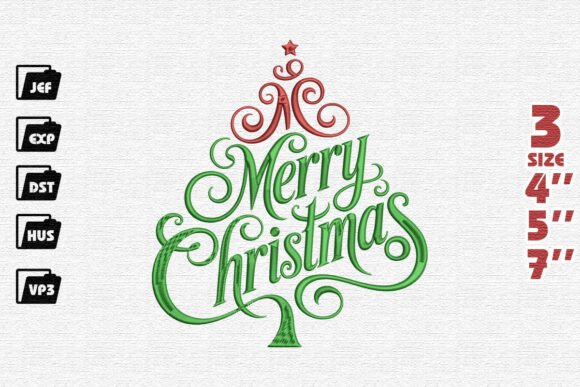
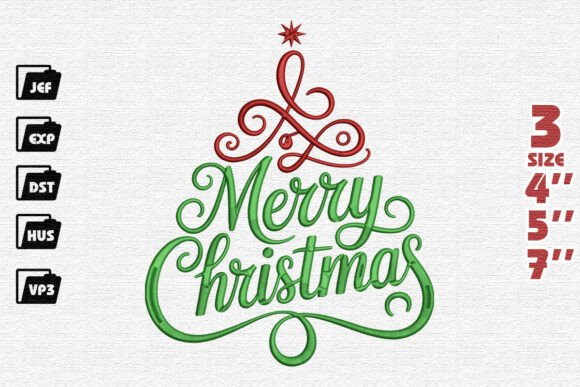
As an embroidery designer who’s stitched holiday collections for over a decade—first in small-batch studios, then for boutique brands across Etsy and local markets—I opened Merry Christmas Swirl Embroidery Design expecting charm. What I found was something more: quiet confidence. The description hints at “classic red and green script” and “elegant script phrase,” and that’s precisely what lands—not fussy, not retro-faux-vintage, but genuinely rooted in tradition while breathing with modern flow. The “swirl” in the title isn’t literal ornamentation; it’s in the gentle lift of the ‘M’, the soft curve connecting “Merry” to “Christmas,” and the subtle tapering of strokes that suggest hand-drawn warmth rather than rigid digitization. This isn’t a bold typographic statement—it’s a whispered greeting stitched in thread.
How It Lives on Sweatshirt Fabric: Texture, Tone & Placement
For a limited-edition sweatshirt drop—think heavyweight 80/20 cotton-poly fleece in oatmeal, charcoal, heather sage, or even dusty rose—Merry Christmas Swirl Embroidery Design performs beautifully at chest placement. Its moderate height (likely under 4” tall based on typical script-word-art proportions) avoids overwhelming the garment’s relaxed silhouette, while its horizontal rhythm anchors the front without stiffening the drape. On dark fabric? Red and green thread will pop—but only if you choose high-contrast, matte-finish rayon or premium polyester threads. Avoid glossy or metallics here; they’d clash with the design’s understated elegance. On pastels or neutrals, the same thread palette reads as nostalgic and intentional—not kitschy.
Sleeve accents? Yes—with caution. At smaller scales, the script’s delicate terminals risk blurring. I’d recommend using the full design only on chest or back placements unless scaling up thoughtfully (and re-hooping carefully). As a back design on an oversized hoodie? Absolutely. Centered just below the collar, it becomes a quiet signature—visible when the wearer turns, reinforcing brand consistency without shouting.
Design Personality: Premium Casual Meets Handmade Heart
This isn’t a “cute” or “playful” holiday motif. There’s no snowman, no reindeer, no glittery starburst. Instead, Merry Christmas Swirl Embroidery Design leans into feminine grace and seasonal sincerity—ideal for boutiques curating cozy, giftable apparel. It feels minimal enough for clean lifestyle photography yet decorative enough to hold visual weight in an Instagram grid or Etsy listing. It doesn’t compete with fabric texture; it converses with it. That balance is rare—and invaluable for small shop owners building a recognizable aesthetic.
Stitching Realities: What You’ll Actually Navigate
Before hooping, consider three practical layers:
- Thread color contrast: Red and green are classic—but ensure your chosen shades harmonize with your sweatshirt’s base tone. A deep forest green sings on charcoal; a bright kelly green may vibrate too sharply on cream. Always stitch a test swatch.
- Stitch density & fabric thickness: Script-based word art like Merry Christmas Swirl Embroidery Design often uses satin-stitch outlines and fill-stitch interiors. On dense fleece, excessive density can cause puckering. Look for balanced underlay and moderate stitch count—if the file feels heavy in your embroidery software, reduce density slightly (1–2%) and add light tear-away stabilizer beneath medium-weight cut-away.
- Hoop size & placement precision: This design relies on alignment. Even a 1mm shift can throw off the swirl’s visual flow. Use a laser pointer or crosshair hoop guide—and always baste first on a scrap of identical fabric + stabilizer combo.
Durability & Trust: Why This Design Feels Like a Keeper
Washing durability hinges less on the design itself and more on execution—but Merry Christmas Swirl Embroidery Design supports longevity by avoiding ultra-thin stems or floating elements. Its connected letterforms distribute stress evenly across stitches. When paired with quality thread and proper stabilizing, it holds up beautifully through repeated cold washes and low-heat drying—critical for handmade product integrity and repeat buyer trust.
More subtly, this design builds brand identity not through logos, but through emotional resonance. Customers scrolling Etsy don’t just buy a sweatshirt—they buy the feeling of a slow, intentional holiday. Merry Christmas Swirl Embroidery Design delivers that quietly. It signals care, craftsmanship, and curation—traits small shops leverage to stand out against mass-produced alternatives.
From Mockup to Marketplace: Where This Design Shines
In printable mockups or digital previews, the script’s fluidity translates well to flat-lay photography—especially when styled with dried orange slices, linen napkins, or wool throws. For Etsy sellers, that visual cohesion strengthens perceived value: a single, confident design asset elevates the entire listing. No need for layered graphics or distracting backgrounds. Just the sweatshirt, natural light, and Merry Christmas Swirl Embroidery Design doing its quiet work.
For custom apparel branding, it functions as a seasonal anchor—not a permanent logo, but a meaningful, time-bound signature. Imagine launching it alongside matching tote bags or tea towels using the same embroidery file. That cross-product consistency builds recognition without repetition fatigue.
A Final Note for Creative Entrepreneurs
Merry Christmas Swirl Embroidery Design won’t dazzle with complexity—but that’s its strength. In a landscape saturated with overdesigned holiday motifs, its restraint feels refreshing, trustworthy, and deeply human. It suits the small shop owner who values intention over impulse, craftsmanship over clutter, and connection over conversion.
Before production: verify hoop size compatibility with your machine, confirm thread color codes match your supplier’s offerings, and—most importantly—stitch a full-size sample on your exact sweatshirt fabric. Because the true test of any machine embroidery design isn’t how it looks in software—it’s how it feels in someone’s hands, season after season.